Are you a DIY enthusiast eager to take your projects to the next level? Whether you’re fabricating furniture, repairing metal fixtures, or crafting artistic creations, having the right welder can make all the difference. But with so many options available, selecting the correct type of welder can be overwhelming. Fear not! In this guide, we’ll walk you through everything you need to know to make an informed decision.
Before diving into the world of welding equipment, take some time to evaluate your projects. Consider these four critical factors:
| Material Type | Steel, aluminum, or stainless steel? |
| Project Size | Small repairs vs. large structural builds. |
| Skill Level | Beginner, intermediate, or pro? |
| Budget | Initial investment and ongoing gas/wire costs. |
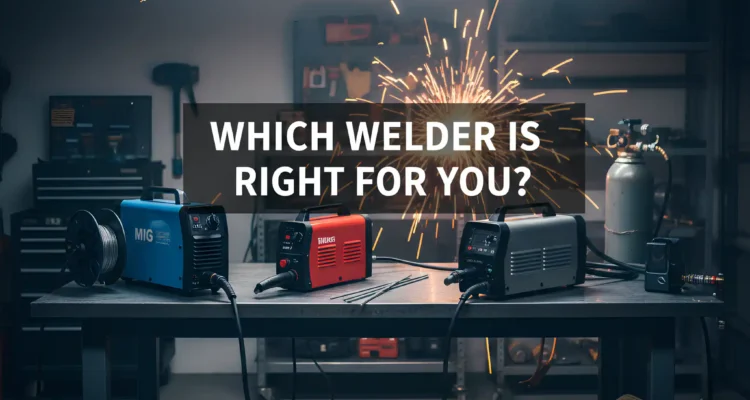
There are three primary machines commonly used by DIYers. Here is how they stack up:
Best For: Beginners and versatility.
MIG welders are user-friendly and use a motor to feed wire through the wand. They are suitable for a variety of materials and thicknesses, making them the most popular choice for home shops.
Best For: Outdoor use and thick metal.
Stick welders are known for their simplicity and portability. They don’t require external shielding gas, which makes them great for windy outdoor conditions and remote projects.
Best For: Precision and aesthetic welds.
TIG welders offer the highest quality welds. While they have a steeper learning curve and require two hands, they are perfect for thin materials and artistic “stacked dime” welds.
Don’t click “buy” until you’ve checked these technical specs:
Choosing the right welder is about balancing your current skill level with your future ambitions. Take your time, read user reviews, and don’t forget to invest in a high-quality auto-darkening helmet!
Happy welding – go bring your creative visions to life!